Introduction
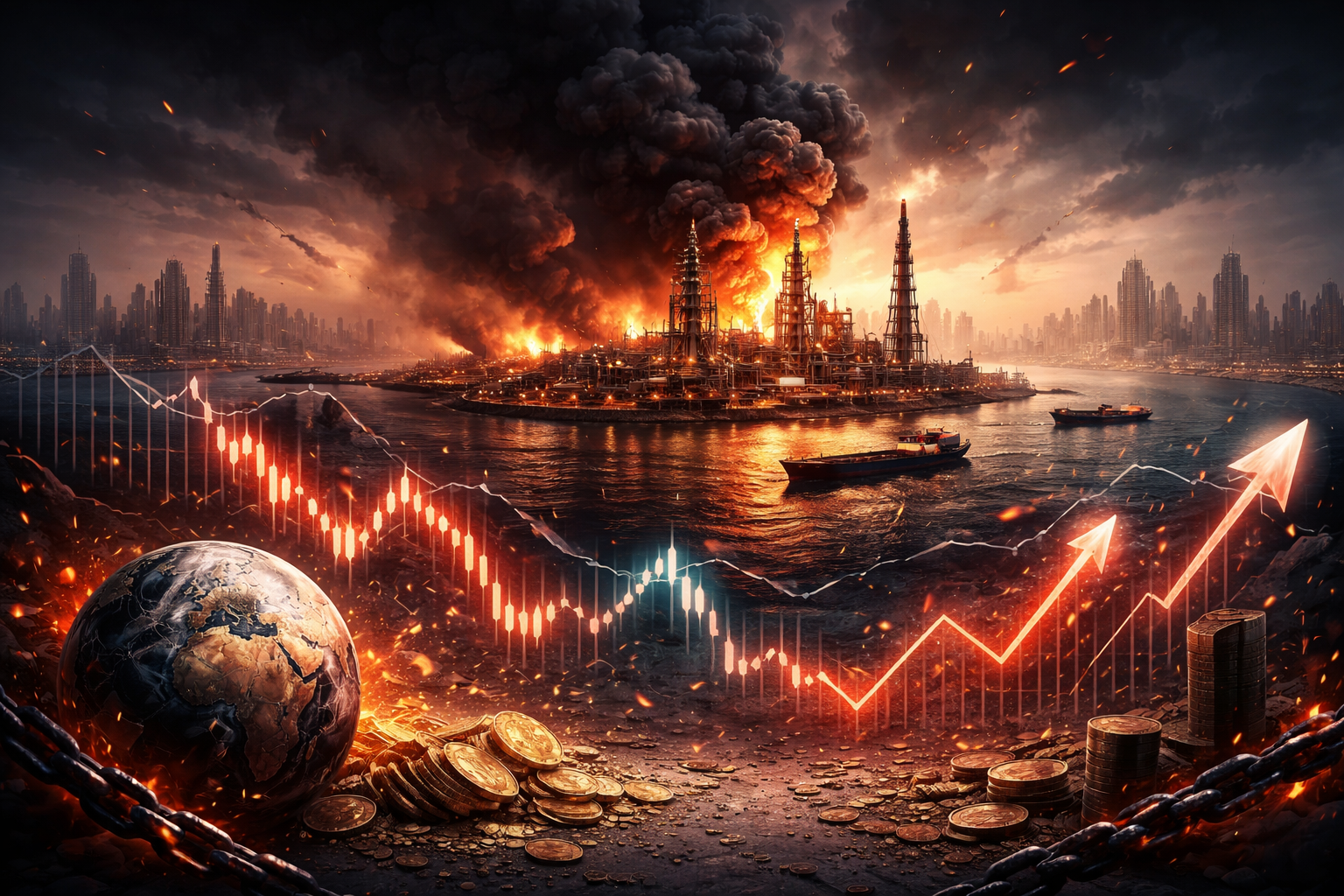
The global economy entered 2026 with cautious optimism, with many countries expecting steady recovery after years of inflation and post pandemic adjustments. However, this outlook has been significantly disrupted by escalating geopolitical tensions in the Middle East, particularly the ongoing conflict involving Iran. According to recent analysis from the International Monetary Fund, the war has already slowed global economic momentum and triggered a new wave of inflationary pressures. These developments are not just abstract economic concerns but have direct and profound implications for personal finance across the world, affecting everything from fuel prices and grocery bills to interest rates, job security, and long term savings.
IMF Global Outlook: A Sudden Shift In Economic Momentum
The International Monetary Fund has revised its global economic growth forecast for 2026 downward to approximately 3.1 percent, compared to stronger projections earlier. This decline reflects both the immediate and ripple effects of the conflict, particularly disruptions in global energy markets.
Inflation, which many economies were beginning to bring under control, is now expected to rise again. The IMF estimates global inflation could reach around 4.4 percent in 2026, reversing the trend of gradual stabilization seen in recent years.
This shift is critical because it marks a transition from recovery to renewed economic stress. Central banks, which were preparing to ease monetary policies, may now be forced to maintain or even increase interest rates to control inflation. For individuals, this translates into higher borrowing costs, reduced purchasing power, and increased financial uncertainty.
Energy Crisis The Core Driver Of Inflation
At the center of the current economic disruption lies the energy sector. The Middle East plays a crucial role in global oil supply, and any instability in the region immediately affects energy prices worldwide. The conflict involving Iran has disrupted supply chains and raised concerns about the security of key routes such as the Strait of Hormuz, a critical passage for global oil shipments.
As oil prices rise, the impact spreads across the global economy. Transportation becomes more expensive, manufacturing costs increase, and supply chains face delays. These factors collectively push up the prices of everyday goods and services.
Economic experts have outlined multiple scenarios depending on how long the conflict continues. In a mild scenario, inflation remains elevated but manageable. In more severe cases, where disruptions persist, inflation could rise sharply and global growth could fall significantly, increasing the risk of a global slowdown.
For households, the energy crisis translates directly into higher fuel bills, increased electricity costs, and more expensive goods, as businesses pass on rising costs to consumers.
Inflation And Cost Of Living Pressure On Households
Inflation is one of the most immediate and visible impacts of the current crisis. Rising prices affect nearly every aspect of daily life, from groceries and housing to transportation and healthcare.
Consumers are already experiencing growing concern about future price increases, especially as fuel costs begin to climb. This creates a cycle where expectations of inflation influence behavior, leading people to spend more quickly or demand higher wages, which in turn can push prices even higher.
For individuals, this means that even if income remains stable, the real value of that income declines. Savings lose purchasing power over time, and managing a household budget becomes more difficult. Lower income households are especially vulnerable because they spend a larger portion of their income on essential goods such as food and energy.
Uneven Global Impact Developed And Emerging Economies
Although the economic shock is global, its effects are not evenly distributed. Advanced economies may experience slower growth but still maintain relative stability due to stronger financial systems and resources. In contrast, emerging and developing economies face more severe challenges.
Countries that depend heavily on imported energy are particularly exposed. Rising oil prices strain their economies, weaken currencies, and increase inflation. These nations often have limited ability to provide financial support to their populations, making it harder to ease the burden of rising living costs.
This uneven impact highlights growing inequality in global economic resilience, with some regions better equipped to handle shocks while others face significant hardship.
Interest Rates And Borrowing Costs
One of the most significant effects of rising inflation is its impact on interest rates. Central banks typically respond to inflation by raising interest rates to reduce demand and stabilize prices.
With inflation rising again, expectations of rate cuts are being delayed. In some cases, further increases may be required. This has direct consequences for individuals and businesses alike.
Home loans become more expensive, making it harder for people to purchase property or refinance existing loans. Credit card interest rates remain high, increasing the cost of borrowing. Business loans also become more expensive, which can slow investment and reduce job creation.
For savers, higher interest rates may offer better returns, but these gains are often offset by inflation, which reduces the real value of savings.
Trade And Supply Chains Slowing Global Activity
The conflict has also disrupted global trade and supply chains. Reduced trade activity reflects both economic uncertainty and logistical challenges caused by the crisis.
Supply chain disruptions can lead to shortages of certain goods, further driving up prices. Businesses may delay expansion or investment plans due to uncertainty, which in turn affects employment and economic growth.
For consumers, this means higher prices, fewer choices, and possible delays in accessing goods. For workers, it may result in slower wage growth or reduced job opportunities in certain sectors.
Risk Of Recession: A Growing Concern
While the current outlook assumes the conflict will not escalate significantly, there are serious risks if the situation worsens. A prolonged or intensified conflict could push the global economy closer to recession.
In a severe scenario, global growth could drop sharply while inflation remains high, creating a challenging economic environment often referred to as stagflation. This combination is particularly difficult to manage because policies aimed at controlling inflation can slow growth further, while efforts to stimulate growth can increase inflation.
For individuals, a recession would mean greater job insecurity, reduced income opportunities, and increased financial stress.
Government And Policy Responses
Governments and central banks face a difficult balancing act in responding to the current situation. They must control inflation while also supporting economic growth and protecting citizens from rising costs.
Some governments are introducing targeted support measures, such as subsidies for energy or financial assistance for vulnerable households. However, these measures can be expensive and may not be sustainable over the long term.
Central banks are likely to take a cautious approach, carefully adjusting policies based on how the situation evolves. This cautious stance may result in a prolonged period of higher interest rates and continued economic uncertainty.
Long Term Implications For Personal Finance
The current crisis highlights how closely personal finance is linked to global events. Individuals may need to adapt to a more uncertain and volatile economic environment.
Building emergency savings becomes more important to handle unexpected expenses. Reducing high interest debt can help improve financial stability. Diversifying income sources may provide additional security during uncertain times.
Investment strategies may also shift, with a greater focus on assets that can protect against inflation. At the same time, the situation underscores the importance of transitioning to more stable and sustainable energy systems to reduce vulnerability to geopolitical shocks.
Conclusion
The warning from the International Monetary Fund about the economic impact of the Iran conflict highlights how quickly global conditions can change. What began as a regional issue has developed into a major global economic challenge, affecting growth, inflation, and financial stability.
For individuals, the effects are already visible in rising prices, higher borrowing costs, and increased uncertainty about the future. Careful financial planning, disciplined spending, and adaptability are essential in navigating this environment. As the situation continues to evolve, staying informed and making thoughtful financial decisions will be key to managing the challenges ahead.