Introduction
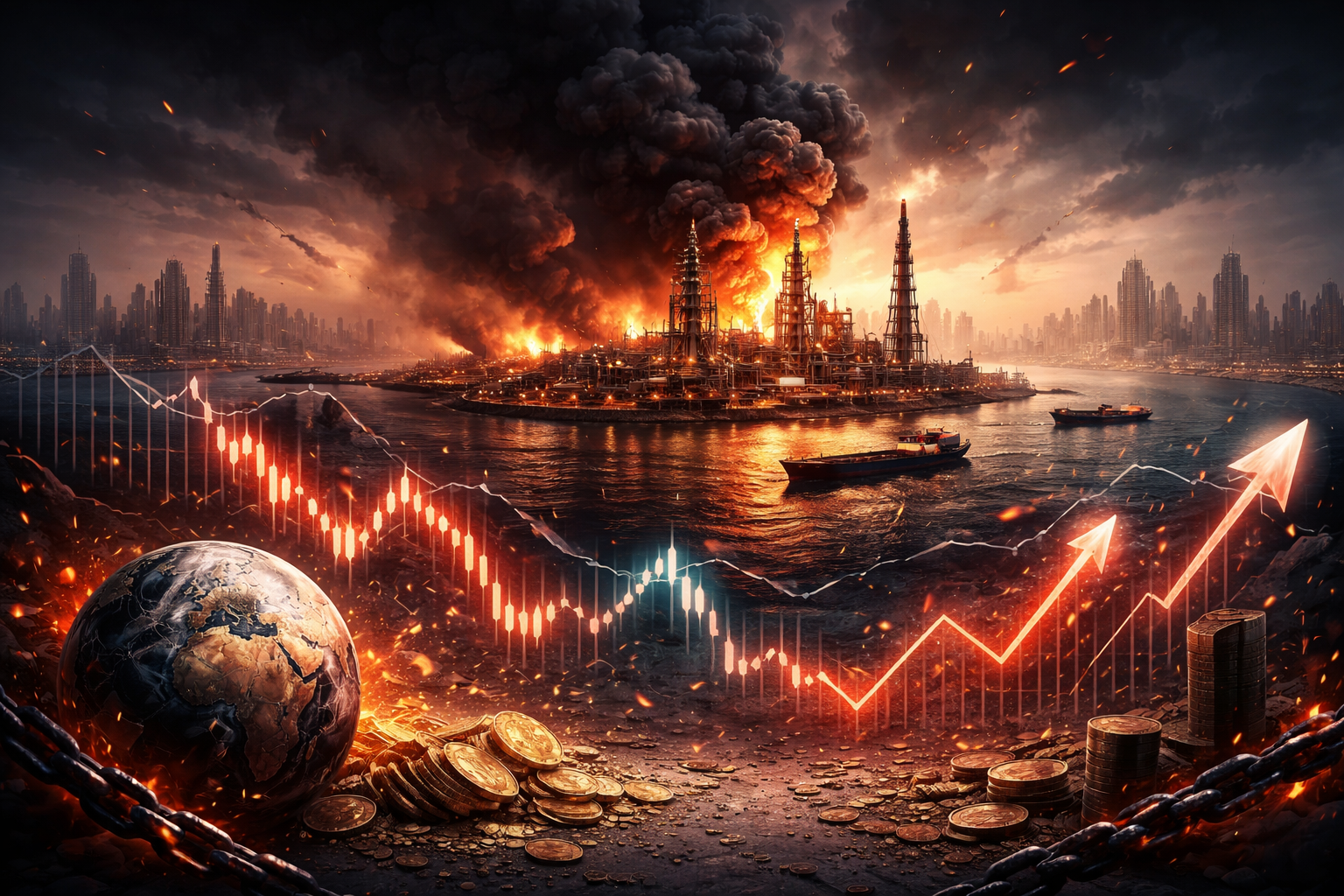
The global financial environment is entering a period of heightened uncertainty as geopolitical tensions intensify, particularly due to the ongoing conflict involving Iran. A strong warning from Jamie Dimon, the chief executive of JPMorgan Chase, has brought attention to the far reaching consequences this conflict could have on the global economy. According to him, the war has the potential to drive inflation higher and force interest rates to remain elevated for longer than markets currently expect.
This warning is significant because it comes from one of the most influential voices in global finance. It reflects a broader concern among policymakers, investors, and economists that geopolitical instability could once again disrupt economic stability just as many countries were beginning to recover from previous shocks.
The Connection Between War And Inflation
Wars have historically had a direct impact on inflation, especially when they involve regions that are central to global energy supply. The Iran conflict is no exception. One of the most immediate consequences has been the increase in oil prices, driven by fears of supply disruptions and uncertainty in global markets.
Oil is a fundamental component of modern economies. It affects transportation, manufacturing, electricity generation, and even agriculture. When oil prices rise, businesses face higher production costs, which are typically passed on to consumers. This leads to a general increase in the price of goods and services, creating inflationary pressure across the economy.
The situation becomes more complex when key shipping routes are threatened. Strategic passages such as the Strait of Hormuz play a critical role in global oil transportation. Any disruption in such routes can create supply shortages and panic in markets, further pushing prices upward. This type of inflation is particularly difficult to manage because it is driven by external shocks rather than internal economic demand.
In addition to energy, other commodities are also affected. Metals, food products, and raw materials can see price increases due to disrupted trade routes and logistical challenges. As supply chains become strained, the cost of production rises, leading to a cascading effect on consumer prices worldwide.
Interest Rates Under Pressure
As inflation rises, central banks are often compelled to respond by increasing interest rates. This is done to reduce spending and borrowing, thereby cooling down the economy and stabilizing prices. However, in the current scenario, the situation is more complicated.
According to the concerns raised by Jamie Dimon, interest rates may need to go higher than previously anticipated if inflation continues to rise due to geopolitical tensions. This creates a challenging environment for both policymakers and the public.
Higher interest rates mean that borrowing becomes more expensive. Home loans, personal loans, and business financing all see increased costs. For individuals, this can translate into higher monthly payments and reduced affordability. For businesses, it can limit expansion plans and reduce investment, slowing overall economic growth.
At the same time, central banks must be cautious. Raising rates too aggressively can push economies toward recession, especially if growth is already weak. This creates a delicate balancing act where policymakers must weigh the risks of inflation against the dangers of slowing economic activity.
Disruption Of Global Supply Chains
The Iran conflict is also contributing to disruptions in global supply chains, which have already been under strain from previous global events. Supply chains are the backbone of international trade, ensuring that goods and materials move efficiently from producers to consumers.
Geopolitical tensions can interfere with these systems in multiple ways. Shipping routes may become unsafe, transportation costs may increase, and trade restrictions may be imposed. These disruptions can lead to shortages of goods and delays in production, further driving up prices.
Companies are now being forced to rethink their supply chain strategies. Many are considering diversifying their sources of raw materials or relocating production closer to their home markets. While these changes may improve resilience in the long term, they often come with higher costs in the short term, contributing to inflationary pressures.
Impact On Financial Markets
Financial markets are highly sensitive to uncertainty, and the Iran war has introduced a significant level of volatility. Investors are closely monitoring developments, particularly in relation to oil prices, inflation trends, and central bank policies.
Rising inflation and interest rates can have a negative impact on stock markets. Higher borrowing costs reduce corporate profits, while increased uncertainty makes investors more cautious. This can lead to fluctuations in stock prices and, in some cases, broader market corrections.
Bond markets are also affected. As interest rates rise, the value of existing bonds tends to fall, leading to potential losses for investors. This dynamic can create challenges for those relying on fixed income investments for stability and income.
In addition, alternative investment sectors such as private credit are facing increased scrutiny. Concerns about transparency and risk management are becoming more prominent, particularly in a volatile economic environment. This could lead to reduced investor confidence and tighter financial conditions.
Economic Resilience Amid Uncertainty
Despite the risks, there are signs of resilience in the global economy. Strong labor markets, technological innovation, and government spending have helped support economic activity in many regions. Investments in areas such as artificial intelligence and infrastructure are contributing to growth and productivity.
However, this resilience may be tested if inflation remains high and interest rates continue to rise. Sustained high borrowing costs can limit consumer spending and business investment, slowing economic momentum.
Governments also face challenges related to fiscal policy. Higher interest rates increase the cost of servicing public debt, which can strain budgets and limit the ability to provide economic support. This adds another layer of complexity to an already challenging environment.
Broader Geopolitical Context
The Iran conflict is part of a larger pattern of geopolitical tensions that are shaping the global economy. Conflicts in other regions and strategic competition between major powers are contributing to an environment of uncertainty and risk.
These factors can influence trade relationships, investment flows, and economic policies. They can also lead to shifts in global alliances and economic strategies, further complicating the outlook.
In this context, the warning from Jamie Dimon serves as a reminder of how interconnected the global economy has become. Events in one region can quickly have far reaching effects across the world, affecting everything from energy prices to financial markets.
Implications For Individuals And Businesses
For individuals, the impact of rising inflation and interest rates is felt in everyday life. Higher prices for food, fuel, and housing reduce purchasing power and make it more difficult to manage household budgets. Increased borrowing costs can limit access to credit and make it harder to achieve financial goals.
Businesses face their own set of challenges. Rising costs can squeeze profit margins, while uncertainty can make planning and investment more difficult. Companies may need to adjust their strategies, focusing on efficiency and cost management to navigate the changing environment.
Both individuals and businesses must adapt to a more volatile and uncertain economic landscape. This may involve rethinking spending habits, investment strategies, and financial planning approaches.
Long Term Outlook And Strategic Response
Looking ahead, the future of the global economy will depend on how the Iran conflict evolves and how policymakers respond to the challenges it presents. If tensions ease, there may be an opportunity for stabilization and recovery. However, if the conflict continues or escalates, the risks of sustained inflation and higher interest rates will remain.
Central banks will need to carefully manage monetary policy, balancing the need to control inflation with the goal of supporting economic growth. Governments will also play a crucial role through fiscal measures and structural reforms.
For investors and individuals, the current environment highlights the importance of diversification and risk management. Being prepared for different scenarios and maintaining financial flexibility can help mitigate the impact of economic uncertainty.
Conclusion
The Iran war represents a significant turning point for the global economy. The warning from Jamie Dimon underscores the potential for rising inflation and higher interest rates, driven by energy shocks, supply chain disruptions, and geopolitical instability.
While the global economy has shown resilience, the challenges ahead are considerable. The interplay between geopolitical events and economic fundamentals will shape the financial landscape in the coming years. In this environment, staying informed and adaptable is essential. Whether for policymakers, businesses, or individuals, understanding the risks and opportunities created by these developments will be key to navigating the uncertain road ahead.