Introduction
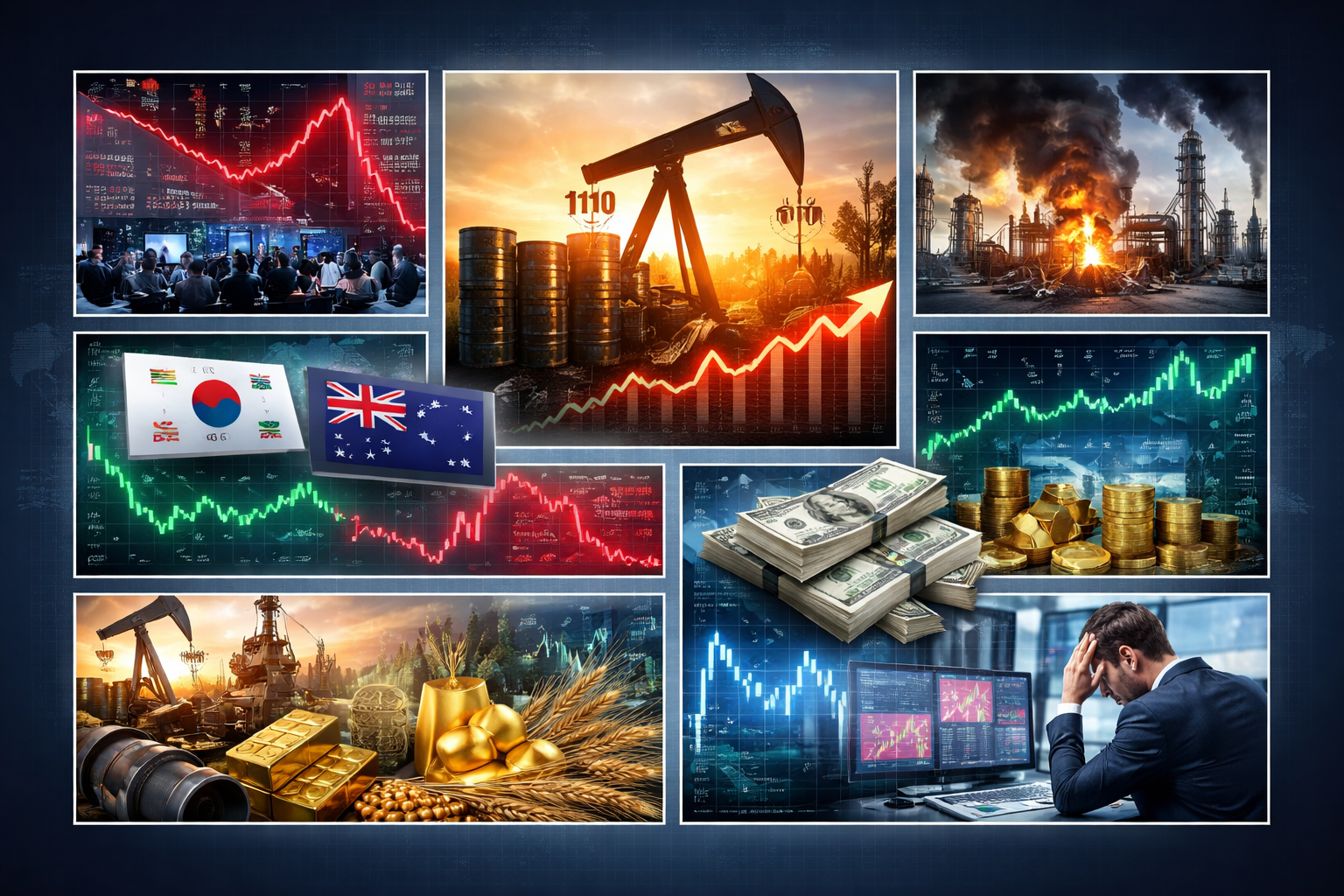
Crude oil prices have risen above $112 per barrel, making the global financial environment more unpredictable. This is because tensions in the Middle East are rising. The ongoing confrontation between the US, Israel, and Iran has led to a number of attacks on important energy infrastructure. This has caused a lot of worry about supply interruptions and economic instability. The sudden surge in oil prices is not just a tale about a commodity; it is a macroeconomic shock that is affecting stock markets, inflation expectations, and investment plans all around the world.
Recent events show that the battle has gotten much worse, with direct attacks on important oil and gas facilities all around the Gulf region. These attacks have not only stopped production, but they have also made people worry about the safety of important shipping routes like the Strait of Hormuz, which handles a large part of the world’s oil trade. Because of this, financial markets around the world have responded strongly, with stocks falling and volatility rising.
The Rise Of Conflict And Its Effects On Energy Infrastructure
The main reason oil prices have gone up is because energy infrastructure in the Middle East is being attacked directly. Reports say that missile strikes have impacted important places like liquefied natural gas terminals and oil production centers in places like Qatar and the United Arab Emirates. These events are a big step up in the conflict since energy assets are becoming major targets.
The conflict got worse after attacks on Iran’s South Pars gas field, which is one of the biggest natural gas reserves in the world. Iran retaliated by attacking energy facilities across the Gulf region, causing a lot of damage and raising worries about long-term supply problems.
The cycle of attacks and counterattacks has made things unstable, and any new event could affect the flow of energy throughout the world. Traders are raising prices because they are worried about the prospect of long-term supply shortages as oil production and export infrastructure remain under threat.
Oil Prices Rise And The Market Becomes Unstable
The price of crude oil has gone up a lot, at above $112 per barrel. This is a big jump from the pricing before the conflict. This rise has been caused by worries about supply problems and speculative trading in response to geopolitical uncertainties.
Oil prices have gone up quickly and dramatically, with prices going up by more than 40 to 50 percent since the war started. This kind of movement doesn’t happen very often, which shows how bad things are right now.
Energy markets are very susceptible to political tensions, and this situation is no different. The chance of things being worse, such critical shipping routes being closed, has made people in the market even more worried. Because of this, oil prices are likely to stay unstable in the near future, and they could go up even more if the situation gets worse.
Effects On The World Economy
The rise in oil prices has effects on the world economy that go far beyond the oil industry. greater energy costs mean greater costs for making and moving things, which in turn means higher prices for goods and services. This makes inflation go up, which is already a big worry for central banks all around the world.
Analysts say that if oil prices stay high for a long time, it might hurt the economy and perhaps lead to a recession. The rising costs and disruption of energy sources might put a lot of stress on both developed and developing economies.
There are worries about both inflation and how it may affect consumer spending. When gas costs go up, people have less money to spend, which can lead to less spending and slower economic growth. This makes it hard for policymakers to find a balance between keeping inflation in check and keeping the economy stable.
How The Stock Market Reacts And How Investors Feel?
The rise in oil costs and the rise in geopolitical tensions have made global stock markets go down. Major stock indexes in the US, Europe, and Asia have all gone down as investors move their money into safer assets.
The rise in oil prices has also had distinct effects on different sectors. Higher prices have helped energy businesses, but they have hurt industries that depend significantly on fuel, such transportation and manufacturing. This difference shows how important it is to look at each sector separately in today’s market.
Investor attitude has become cautious, and many people in the market are taking a risk-off strategy. This means putting less money into stocks and more into safer assets like cash, bonds, and commodities. The conflict’s uncertainties and possible effects on the world economy have made investors increasingly cautious.
The Strait Of Hormuz’s Strategic Importance
The state of the Strait of Hormuz is one of the most important things that affects the oil market. This tiny river is an important conduit for oil exports around the world, and any problems with it can have a big effect on supplies.
The prolonged violence has made some worry that this route would be closed or limited, which would have a big effect on oil shipments around the world. Reports say that shipping has already been hampered, with fewer ships crossing through the strait because of safety concerns.
This area is very important to the global energy supply chain, and its strategic importance cannot be emphasized. Any long-term disruption might cause prices to go up much more and make economic problems worse around the world.
Government Actions And Policy Steps
Governments all over the world are doing things to lessen the effects of rising oil prices and make sure that energy is safe. To stabilize the market in the United States, steps including releasing oil from strategic reserves and relaxing transportation restrictions have been taken.
Other countries are also looking into similar initiatives, such as boosting domestic output, using a wider range of energy sources, and putting conservation measures in place. These efforts are meant to make us less reliant on unstable areas and better able to deal with supply shocks.
But how well these steps work depends a lot on how long and how bad the conflict is. If tensions keep rising, policy changes may only help for a short time.
Inflation And Problems For Central Banks
The rise in oil prices is making inflationary pressures even worse, which is making things harder for central banks. Higher energy costs raise prices across the board, making it harder to reach inflation goals.
Central banks may have to keep interest rates higher for extended periods of time, which can slow down the economy. This makes it hard for policymakers to deal with inflation without causing a recession.
The situation is even worse because the fight is still going on, which makes it hard to guess what will happen to the economy in the future. Because of this, central banks will probably take a cautious approach and keep a close eye on what’s happening in the energy market.
Strategies For Investing In A Changing Market
Investors need to change their methods to deal with risk and take advantage of chances in the current market. The rise in oil prices and the instability that comes with it have made things harder and easier for different types of assets.
Energy stocks and commodities have become two of the biggest winners in the current environment. More and more investors are putting money into these areas because they protect against inflation and geopolitical threats.
At the same time, people are paying more attention to defensive sectors like utilities and healthcare since they are relatively stable. These sectors usually do better when the economy is uncertain, which makes them good choices for investors who don’t want to take risks.
Diversification is still an important approach since it lowers risk and makes a portfolio more stable. Investors can lower their risk of certain problems caused by the current crisis by putting their money into a variety of asset classes and regions.
What Will Happen To Oil And Global Markets In The Future?
The future of oil prices and global markets will depend a lot on how the situation in the Middle East plays out. Prices could go up considerably more, possibly reaching $150 per barrel, as some analysts have said, if tensions get worse and supply problems get worse.
On the other hand, any signs of de-escalation or a diplomatic solution might lead to prices stabilizing and the financial markets recovering. But because of how things are going in the world right now, the situation is still quite unclear.
Investors and governments will need to keep a close eye on what’s going on and be ready to act quickly when things change. In the next few weeks, we’ll probably be able to see which way the global economy and financial markets are going.
Conclusion
The rise in oil prices to more than $112 a barrel is due to a complicated mix of geopolitical concerns, supply problems, and market forces. The fighting in the Middle East is still going on, and it has had impacts on energy markets and the economy around the world.
The effects of this crisis are wide-ranging, from increased prices and market volatility to changing investing techniques. The attention will stay on the stability of energy supply and the chance of more escalation if the scenario changes.
In this uncertain world, investors and politicians alike need to stay up to date and be able to change their plans. The current crisis shows how intertwined global markets are and how big of an effect geopolitical events may have on the entire economy.